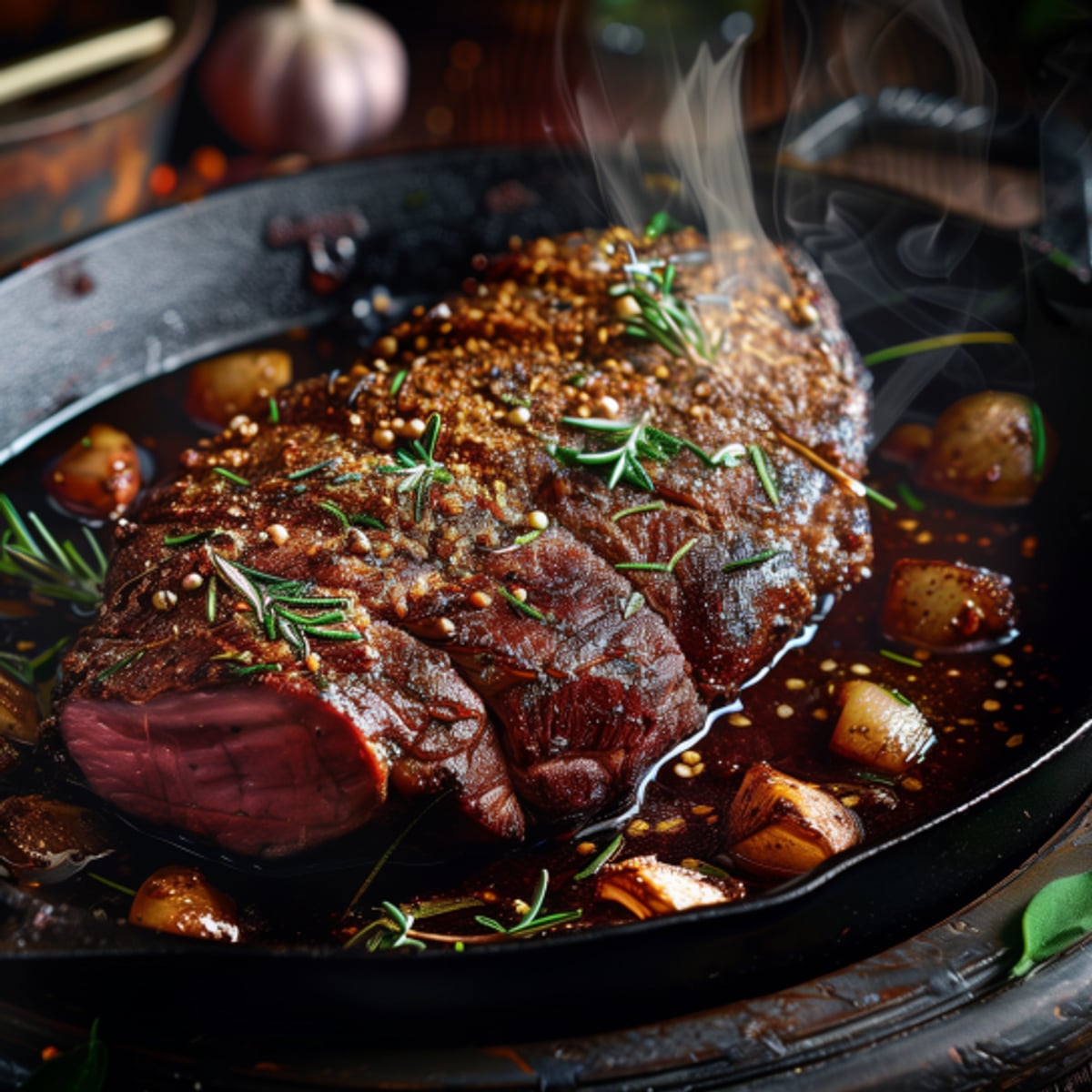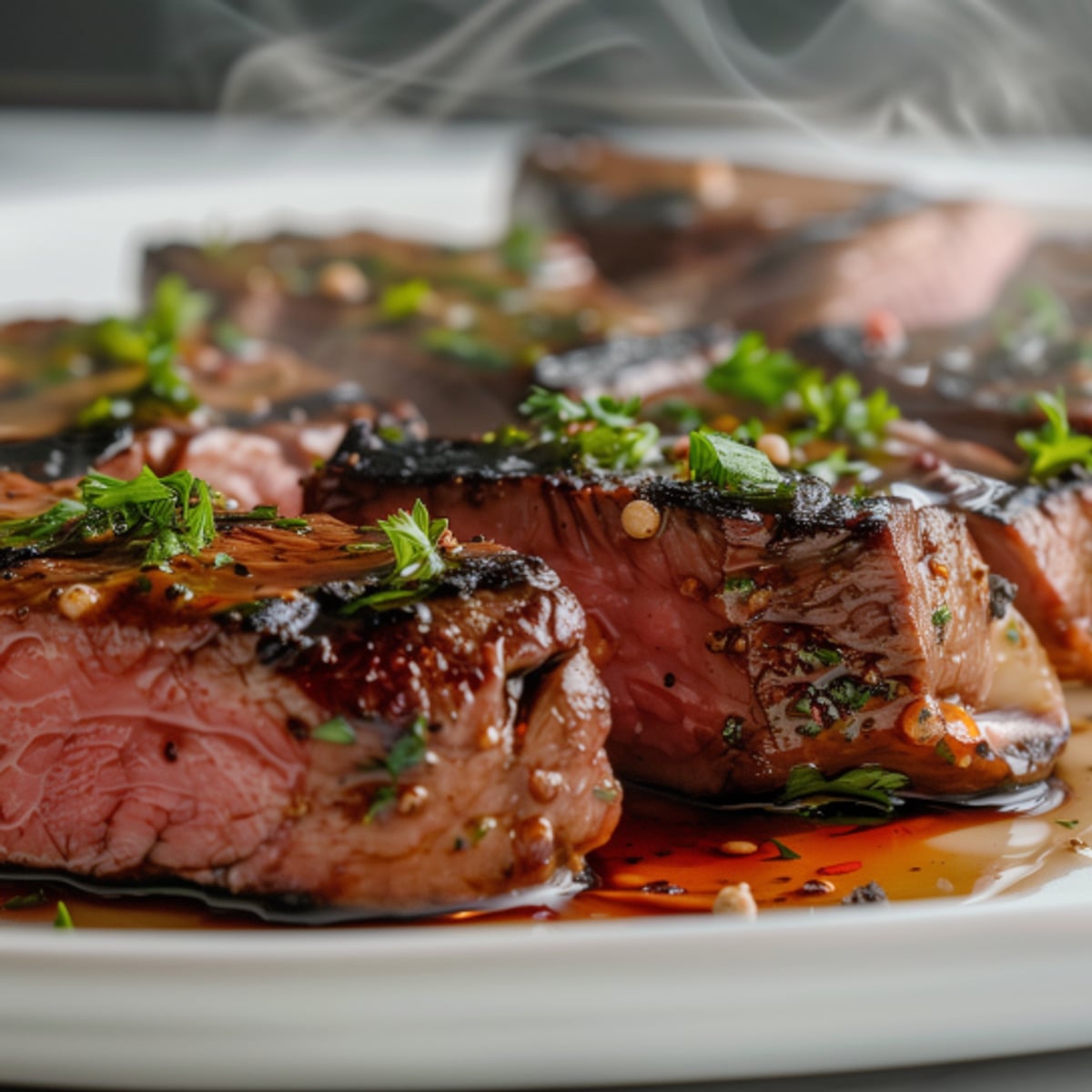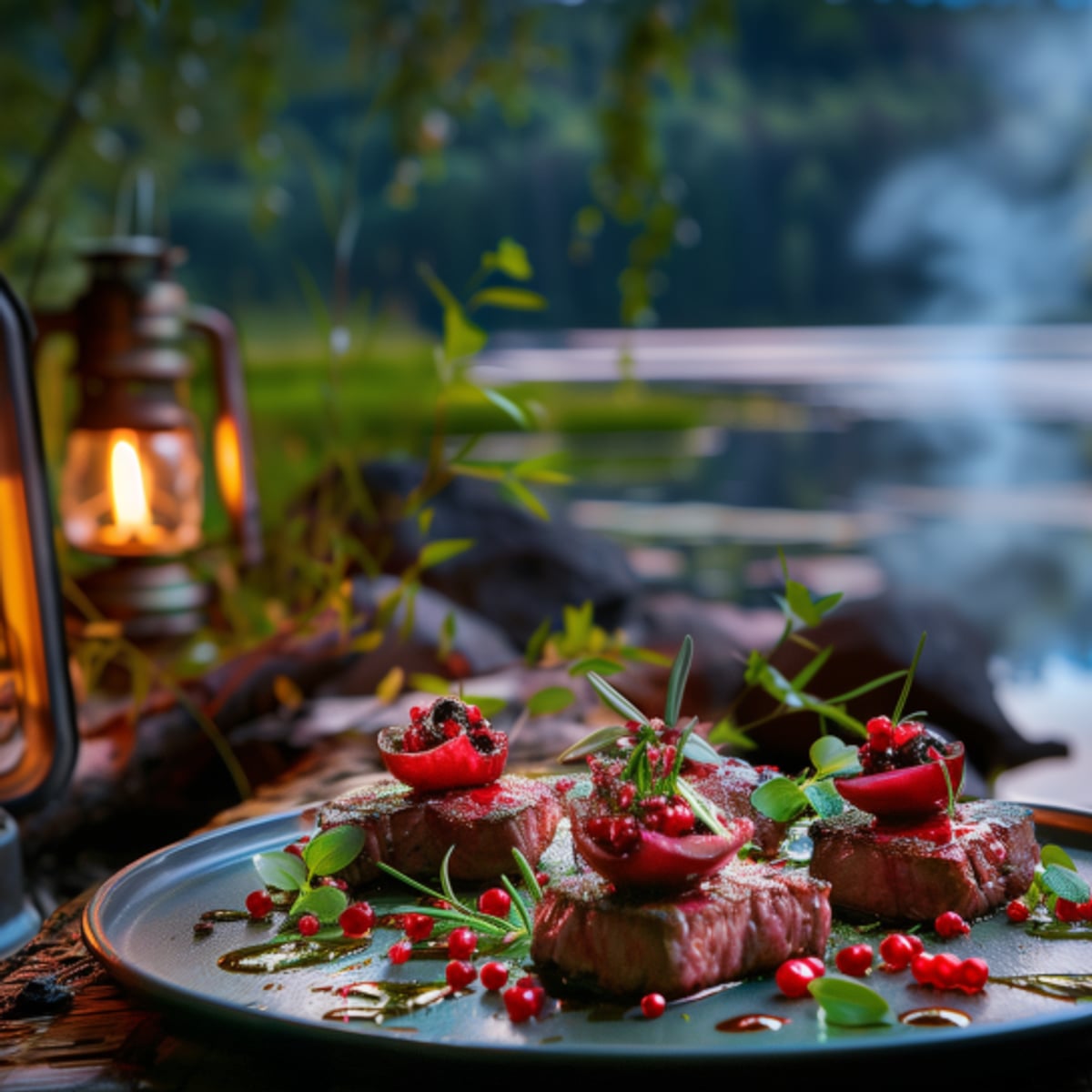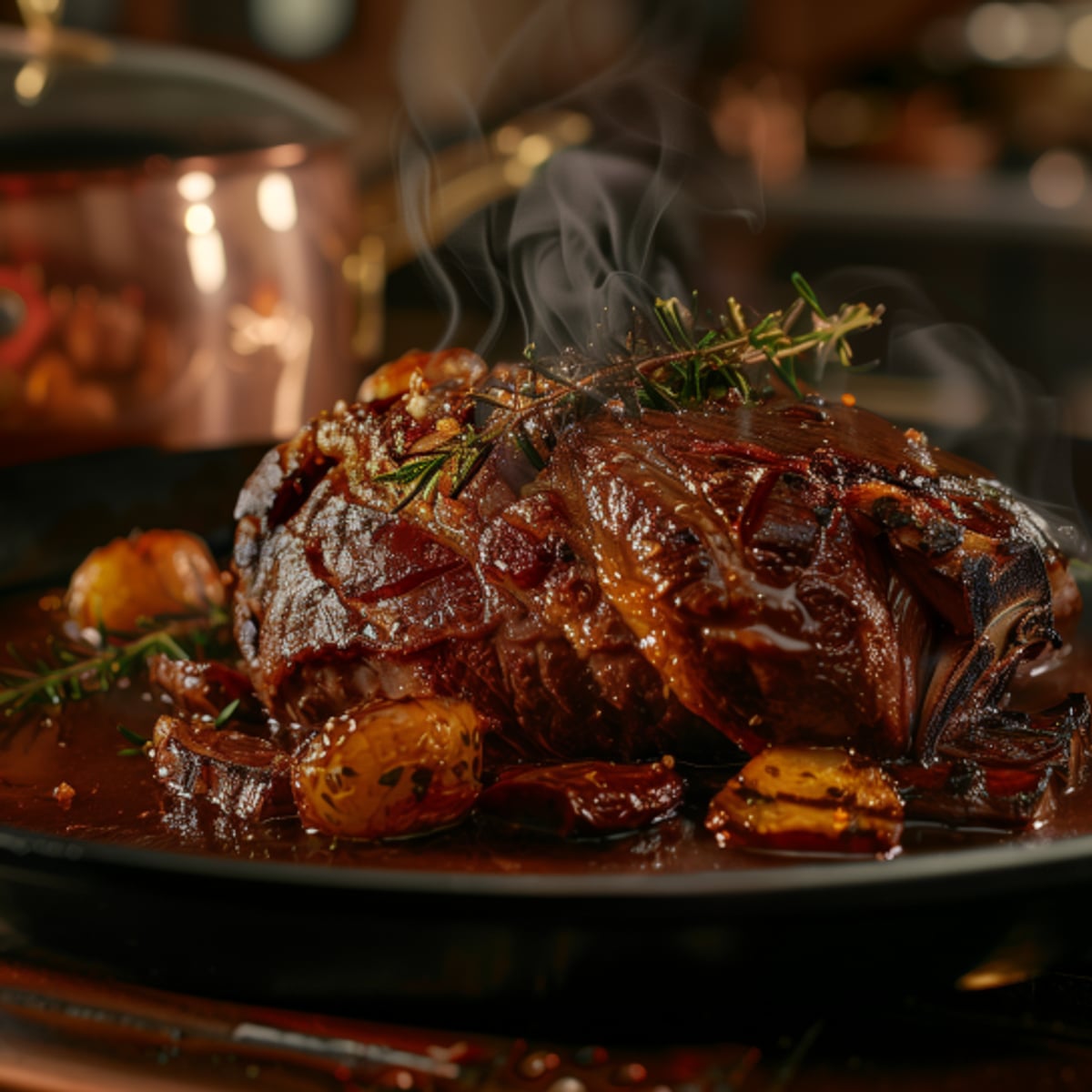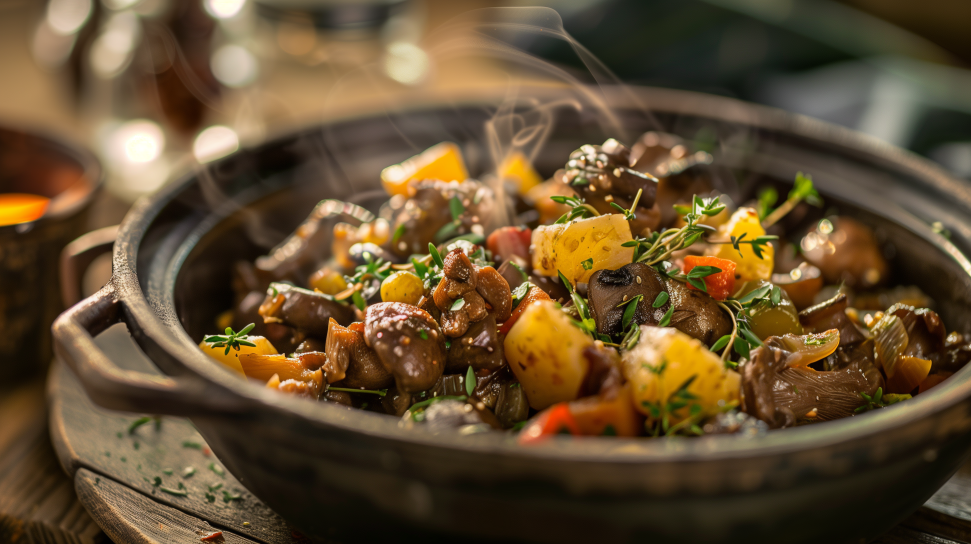
Bear and Wild Mushroom Stew
Black Bear Recipe
1Setup & Prepare
About This Recipe
This hearty black bear recipe delivers comforting, soul-warming flavors in every spoonful. Using slow simmering, you'll create a dish that showcases the unique qualities of wild game while remaining approachable for home cooks.
Wilderness ingredients unite
Forager's Dream This preparation combines bear meat with foraged wild mushrooms, creating a dish that celebrates the complete wilderness experience.
Ingredients (Serves 12-15)
- 4 lbs bear shoulder, cut in 2" cubes
- 2 lbs mixed wild mushrooms, quartered
- 3 tbsp olive oil
- 2 onions, diced
- 6 cloves garlic, minced
- 1/2 cup red wine
- 3 cups beef stock
- 2 tbsp tomato paste
- 2 tbsp fresh thyme
- 2 bay leaves
- 1/4 cup heavy cream
- 2 tbsp fresh parsley
Wild Ingredients Method
-
Mushroom Preparation: Soak dried wild mushrooms in hot water. Save the soaking liquid for the stew.
-
Bear Browning: Brown the bear cubes in batches until deeply caramelized, about 8-10 minutes.
-
Stew Assembly: Combine the bear, mushrooms, and aromatics in a heavy pot.
-
Long Cooking: Braise at 300°F until the bear is fork-tender, about 1 1/2 to 2 hours.
-
Final Enrichment: Stir in sour cream off the heat. Garnish with fresh dill.
2Ingredients
Shopping List
3Cooking Instructions
-
Mushroom Preparation: Soak dried wild mushrooms in hot water. Save the soaking liquid for the stew.
-
Bear Browning: Brown the bear cubes in batches until deeply caramelized, about 8-10 minutes.
-
Stew Assembly: Combine the bear, mushrooms, and aromatics in a heavy pot.
-
Long Cooking: Braise at 300°F until the bear is fork-tender, about 1 1/2 to 2 hours.
-
Final Enrichment: Stir in sour cream off the heat. Garnish with fresh dill.
Essential Food Safety Guidelines
- Temperature requirement: All bear meat must reach 160°F internal
- No exceptions: Never serve bear meat rare or medium-rare
- Trichinosis prevention: Proper cooking eliminates risk
- Thermometer use: Always verify temperature with probe thermometer
Understanding Bear Meat Characteristics
- Seasonal variation: Spring bears mildest, fall bears richest
- Diet impact: Salmon-fed bears strongest flavor, agricultural bears mildest
- Natural marbling: Often requires no additional fat unlike other game
- Rich flavor: Can handle bold seasonings and strong cooking methods
Processing and Storage
- Clean processing: Avoid contamination during butchering
- Rapid cooling: Keep meat cold throughout processing
- Proper aging: 7-14 days at 35-40°F improves tenderness
- Fat utilization: Save and render bear fat for cooking
Cooking Method Selection
- Tender cuts: Medium heat cooking to proper temperature
- Tough cuts: Long, slow, moist heat methods
- Ground meat: Excellent for sausages, burgers, chili
- Specialty preparations: Ideal for charcuterie, curing, smoking
Wine and Beverage Pairings
- Rich preparations: Full-bodied reds - Cabernet, Malbec, Syrah
- Braised dishes: Burgundy, Barolo, aged Italian reds
- BBQ preparations: Zinfandel, Petite Sirah, bold American reds
- Beer pairings: Stouts, porters, strong ales
- Spirits: Bourbon, rye whiskey for American preparations
Regional and Seasonal Considerations
- Spring bears: Lean, mild, excellent for roasting and grilling
- Fall bears: Rich, marbled, perfect for slow cooking and sausages
- Coastal bears: Strong flavors, benefit from bold seasonings
- Mountain bears: Milder flavors, most versatile for cooking
Fat Management
- Natural richness: Bear often requires no additional fat
- Rendering: Save bear fat for cooking other dishes
- Seasonal fat: Fall bears have highest fat content
- Trimming: Adjust fat levels based on preparation method
Black bear represents the pinnacle of North American game meat - rich, complex, and incredibly rewarding when properly prepared. These magnificent omnivores provide meat that's unlike any other game, combining the best characteristics of wild and domestic proteins. The key lies in understanding bear meat's unique properties, respecting food safety requirements, and applying techniques that showcase rather than mask its extraordinary natural flavors. When handled with knowledge and care, bear provides some of the most memorable and satisfying meals in all of wild game cookery.
FDA Food Safety Guidelines
⚠️ Important: Black Bear carries a risk of Trichinella parasites. ALL cuts — including steaks, roasts, and ground meat — must reach an internal temperature of 165°F (74°C). There is no safe rare or medium-rare preparation for this species.
- Always use an instant-read meat thermometer to verify doneness.
- Wash hands, utensils, and surfaces after handling raw wild game.
- Thaw frozen game in the refrigerator — never at room temperature.
- Refrigerate leftovers within 2 hours of cooking.
Nutritional Information
Per serving: 500 calories, 40g protein, 31g fat, 23g carbohydrates.
▶Watch the Recipe
See the techniques in action with our step-by-step video guide
4Chef's Notes & Pairings
FDA Food Safety Guidelines
⚠️ Important: Black Bear carries a risk of Trichinella parasites. ALL cuts — including steaks, roasts, and ground meat — must reach an internal temperature of 165°F (74°C). There is no safe rare or medium-rare preparation for this species.
- Always use an instant-read meat thermometer to verify doneness.
- Wash hands, utensils, and surfaces after handling raw wild game.
- Thaw frozen game in the refrigerator — never at room temperature.
- Refrigerate leftovers within 2 hours of cooking.
Nutrition Facts
Per serving: 500 calories, 40g protein, 31g fat, 23g carbohydrates.